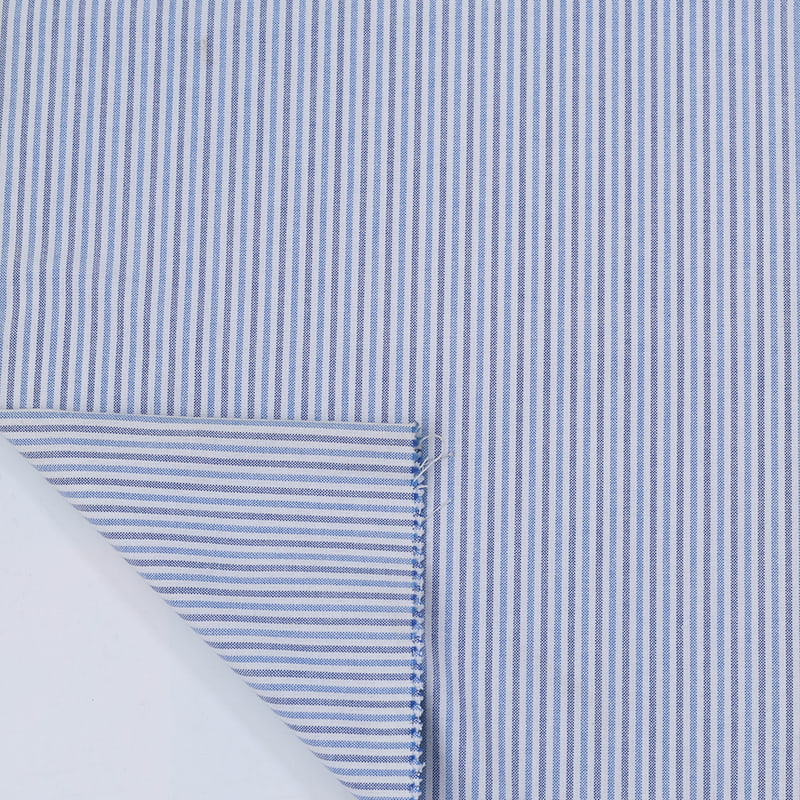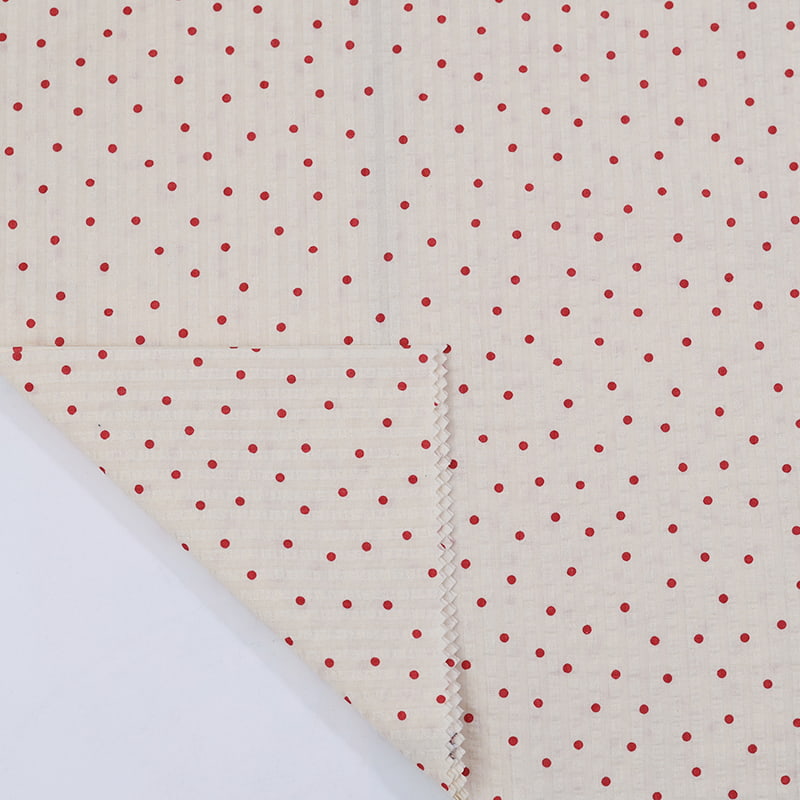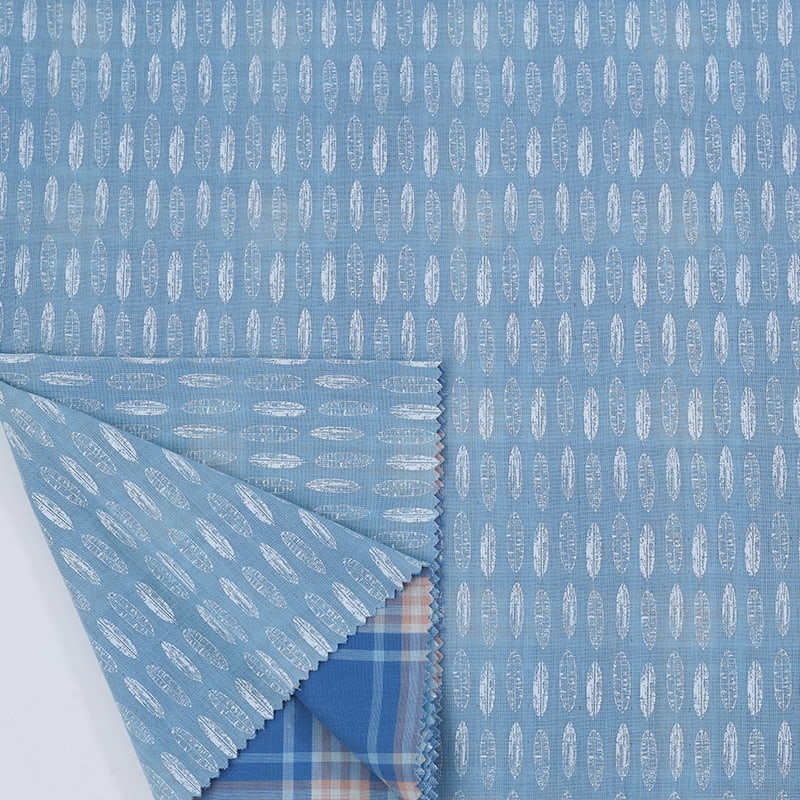
テンセル生地は持続可能性、柔らかさ、パフォーマンスのバランスを提供します
Tencel fabric is a high-performance regenerated cellulose textile known for its softness, moisture management, and eco-conscious production process. Whether used as pure テンセル繊維生地 or blended into rayon Tencel fabric, it provides excellent drape, durability, and comfort across apparel and home textile applications. Dyeing Tencel fabric requires specialized control due to its high absorbency, but when processed correctly, it delivers vibrant and long-lasting colors.
This article explores the structure, processing, and application of Tencel fiber fabric, including how dyeing techniques influence quality and how blending with rayon changes performance characteristics.
テンセル繊維生地とその構成を理解する
Tencel fiber fabric 持続可能な方法で調達された木材パルプ、主にユーカリの木から得られます。 The fiber is produced using a closed-loop solvent spinning process, which recycles more than 溶剤の99% , making it one of the most environmentally responsible textile fibers available.
主な構造上の特徴
- 滑らかな繊維表面により皮膚への刺激が軽減されます。
- 高 crystallinity improves strength and durability
- Nanofibrillar structure enhances moisture absorption
Compared to traditional viscose rayon, Tencel fiber exhibits 湿潤時の引張強度が最大 50% 向上 、繰り返しの洗濯や長期間の使用に適しています。
Differences Between テンセル生地 and レーヨンテンセル生地
While Tencel is often compared to rayon, the two materials differ significantly in processing methods and performance. レーヨンテンセル生地 typically blends Tencel fibers with conventional viscose or modal fibers to balance cost and functionality.
| プロパティ | Tencel Fabric | レーヨンテンセル生地 |
|---|---|---|
| 製造工程 | 閉ループ溶媒紡糸 | 混合(化学溶剤) |
| 吸湿性 | 非常に高い | 中程度から高程度 |
| 強度(ウェット) | 高 | 中 |
| コスト | より高い | 下位 |
テンセルとレーヨンをブレンドすることでコストを削減できます。 15%~30% while maintaining a soft hand feel, but it may slightly reduce durability and moisture control efficiency.
Dyeing Tencel Fabric: Process Control and Challenges
Dyeing Tencel fabric requires precise control due to its high absorbency and fibrillation tendency. Reactive dyes are commonly used because they form strong covalent bonds with cellulose fibers.
主要な染色パラメータ
- 60℃~80℃の間で温度制御
- pH安定性(通常はアルカリ性条件)
- フィブリル化を防ぐための低い機械的撹拌
フィブリル化は、テンセル繊維生地の染色における最も重要な課題の 1 つです。 , where tiny fiber fibrils form on the surface, causing a peach-skin effect. While this can be desirable for certain finishes, uncontrolled fibrillation reduces fabric strength and uniformity.
一般的な染色技法
- 均一に浸透する液流染色
- エネルギー効率を高めるコールドパッドバッチ染色
- Enzyme treatment post-dyeing to control fibrillation
工業データは、最適化された染色プロセスが達成できることを示しています。 耐変色性評価 4 ~ 5 (ISO スケール) 、染色されたテンセル生地が高級衣類に適したものになります。
アパレルおよびホームテキスタイルにおけるパフォーマンス上の利点
テンセル生地は、その快適さと耐久性の独自のバランスにより、衣料品や家庭用テキスタイルに広く使用されています。
アパレル用途
- 吸湿発散性に優れたアクティブウェア
- 滑らかなドレープを生み出す高級ドレス
- 柔らかさを高めるデニムブレンド
テンセルをデニムにブレンドすると、生地の硬さを軽減できます。 30%まで 通気性を向上させながら。
ホームテキスタイル用途
- 湿気の調節を強化したベッドシーツ
- ソフトなドレープ効果のあるカーテン
- 細菌の増殖を抑えた枕カバー
研究によると、テンセル生地は細菌の増殖を減らすことができます。 綿と比較して最大50% 湿気のコントロールが良くなったからです。
テンセル繊維織物の加工・仕上げ技術
仕上げプロセスは、テンセル繊維生地の最終的な性能に大きな影響を与えます。メーカーは、望ましい質感を実現するために、酵素処理、機械仕上げ、または化学柔軟剤を適用することがよくあります。
主な仕上げ方法
- 滑らかな表面を実現する酵素バイオ研磨
- ピーチ仕上げでソフトな触感を実現
- 保形性を向上させる抗シワ処理
制御された酵素処理により、表面の毛羽立ちを 80% 以上削減できます。 、生地の外観と耐久性が大幅に向上します。
コストの考慮事項と市場での位置付け
テンセル生地は、その生産技術と持続可能性の証明により、高級繊維として位置づけられています。ただし、レーヨンや綿と混紡することで、メーカーは中価格帯の市場をターゲットにすることができます。
| 生地の種類 | 1 メートルあたりの平均コスト | 対象市場 |
|---|---|---|
| 100% テンセル生地 | 高 | プレミアム |
| レーヨンテンセル生地 | 中 | ミッドレンジ |
| コットンとテンセルのブレンド | 中-low | マスマーケット |
メーカーは、特に大規模な衣料品生産の場合、コストパフォーマンス比を最適化するためにブレンドを選択することがよくあります。